
Key Differences to Know About Folding Carton, Corrugated Box, & Rigid Box
Custom packaging is a series of choices you make that ultimately affect the perceived value of the packaged product.
One choice that you’ll have to deliberately make is: which box type?
That’s why this blog exists to help you sort that out.
Know that three of the most widely used packaging formats are folding cartons, corrugated boxes, and rigid boxes. Each solves a different problem.
This guide tells you:
- What each box is
- How it is made
- When to use it
So without further ado, let’s dive in.
Quick Summary
Here’s a quick TLDR section to give you a concise understanding of folding cartons vs corrugated boxes vs rigid boxes:
- A folding carton is a lightweight, printed box made for retail shelf display.
- A corrugated box is a sturdy, fluted box made for shipping and logistics.
- A rigid box is a premium, non-collapsible box made for luxury presentation.
Now with that in place, let’s find out more.
What Is a Folding Carton?
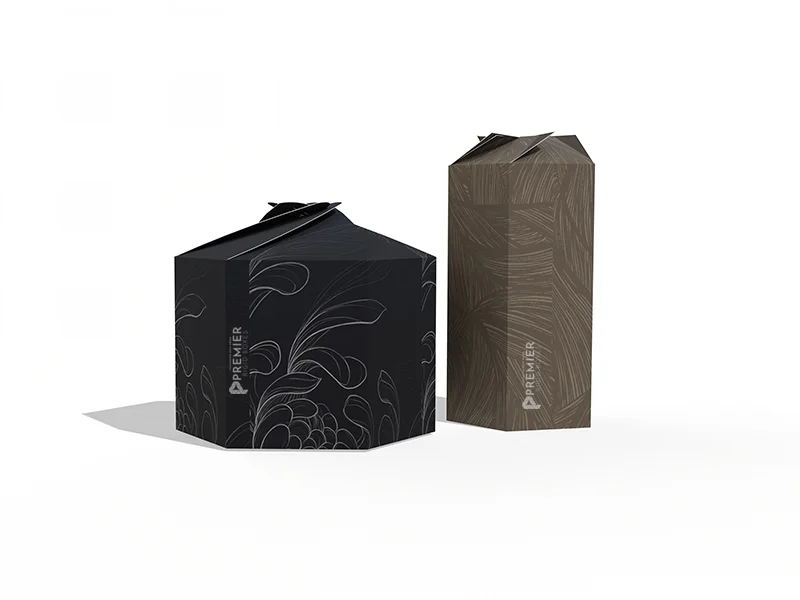
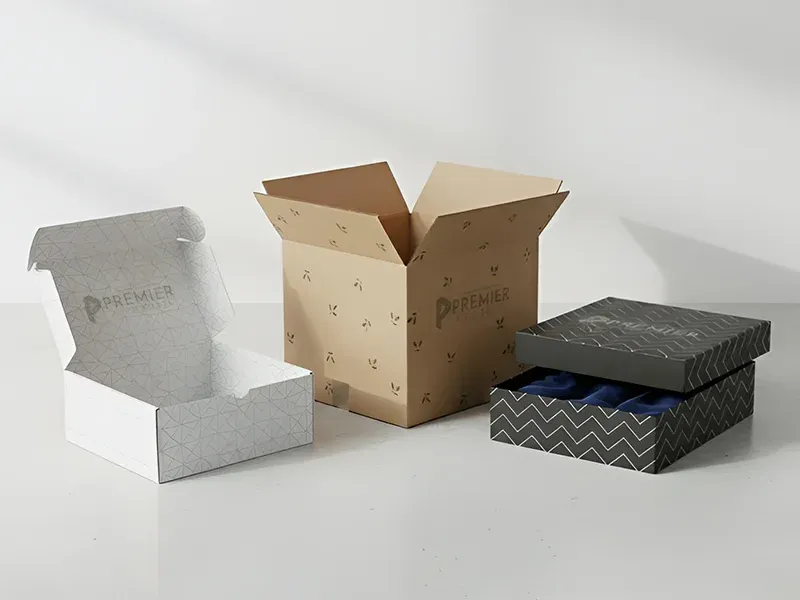
A folding carton is made from paperboard, a single-layer material that is lightweight and easy to print on. It is cut, scored, and folded into shape. Before use, it lies flat. It is assembled at the point of filling. They are used for:
- Cereal boxes and food packaging
- Cosmetics and personal care products
- Pharmaceuticals and supplement boxes
- Household goods and retail consumer products
Key characteristics or features include:
- Thin material: Typically 0.3mm to 0.7mm thick
- Print-ready surface: Excellent for high-quality graphics and branding
- Flat-pack storage: Reduces storage and shipping costs before use
- Cost-effective for mid-volume runs: Cheaper than rigid, more refined than corrugated

What Is a Corrugated Box?
A corrugated box is built for durability. It consists of three layers: two flat liner sheets sandwiching a fluted, wave-shaped layer in between. This structure creates strength without adding significant weight.
They are used for:
- E-commerce shipping
- Wholesale and bulk transport
- Warehousing and storage
- Industrial and heavy product packaging
Key characteristics or features include:
- Impact resistance: The fluted core absorbs shocks during transit
- Stackable: Designed to hold weight from above
- Low cost at scale: Efficient to produce in high volumes
- Limited visual appeal: Built for function, not presentation

Must Read: What Is the Difference Between a Rigid Box and a Corrugated Box?
What Is a Rigid Box?
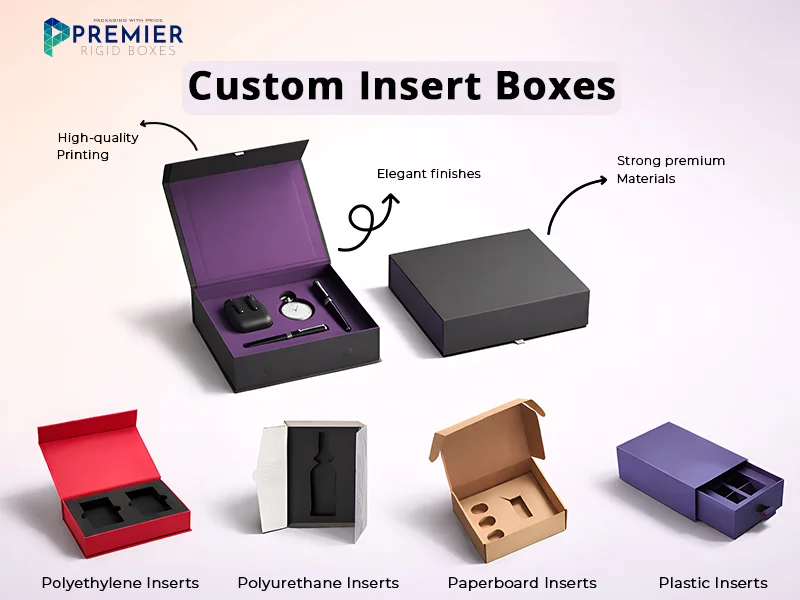
A rigid box is made from thick chipboard or greyboard. It’s wrapped in a special decorative paper or linen fabric. And because they have a solid structural integrity, they aren’t easy to get deformed during shipping, which makes them a nice option for shipping purposes as well.
They are used for:
- Jewelry and watches
- Electronics and tech accessories
- Luxury goods and high-end retail
- Gift packaging and special editions
Key characteristics or features include:
- Thick construction: Usually 1.5mm to 3mm board
- Premium finish: Smooth, tactile, and weighty
- High customization: Magnetic closures, ribbon pulls, foil stamping, embossing
- Designed to be kept: Customers often reuse or display the box

Selection Criteria: When to Choose Which Option?
A folding carton is the right choice if:
- Your product is sold in a retail or grocery environment
- You need high-quality printed graphics on the box
- Storage and logistics efficiency matter before packing
- Cost is a factor but visual quality still needs to be strong
While a corrugated box is the right choice if:
- You ship products through postal or courier networks
- Your order volumes are high and cost control is critical
- Products are heavy, fragile, or need stacking strength
- The box will not be seen by the end customer
And a rigid box is the right choice if:
- Your product is premium or luxury
- The unboxing moment is part of your brand story
- You want customers to keep or display the packaging
- You are building perceived value, not just protecting a product
Cost Differences Explained
Understanding what drives cost helps you make better decisions when choosing custom packaging for your products.
- Folding Cartons: It’s in the mid-range in terms of cost. Unit costs drop significantly at higher volumes.
- Corrugated Boxes: The most affordable option in reference to folding or rigid boxes.
- Rigid Boxes: Because it helps in enhancing the perception of products, it’s the most expensive option in comparison to corrugated and folding cartons.
Must Read: Sustainable Packaging Solutions: Eco-Friendly Rigid Boxes for a Greener Future
Environmental Impact: Which Is More Sustainable?
Know that sustainability is less about which format you choose and more about how responsibly you source materials and design for end-of-life. If made from sustainable materials. Biodegradable, or compostable materials they can all be sustainable. But rigid in particular isn’t sustainable because of specialty finishes. Let’s see their environmental impact side by side.
Folding Cartons
Made from recyclable paperboard. Lightweight, which reduces transportation emissions. Often made with FSC-certified materials.
Corrugated Boxes
Highly recyclable. Frequently made from recycled fibers. The lightweight structure lowers shipping emissions per unit compared to heavier alternatives.
Rigid Boxes
Often reused by customers, thereby extending the packaging’s lifecycle. Made from recyclable materials, though the thick board takes more resources to produce. The longevity of a well-made rigid box can offset some of that impact.
Summary Section
Folding cartons, corrugated boxes, and rigid boxes each do one thing very well. None of them does everything.
| Packaging Type | Pros | Cons |
| Rigid Box | Sturdy and luxuriousHigh-end finishing optionsPremium packaging appealEnhances brand perception | Less flexible for certain productsHigher costs for printingLonger lead timesHarder to recycle/repurpose |
| Folding Carton | Lightweight and versatileHigh-quality printingShort lead timesCost-effective for large runsRecyclable and sustainable | Limited strength for heavy/bulky itemsConstraints on special finishesLess suited for small batches |
| Corrugated Box | Durable and strongFlexible printing optionsCost-effectiveEconomical for shipping and storageRecyclable and reusable | Less visually appealing for retailChallenges with detailed graphicsCustomization can increase cost |
The best packaging decision is not about which format is superior. It is about matching the right format to the right moment in your product’s journey.